

If you’ve lived around these hills for any length of time, you’ve heard a lot of talk about the next big thing that’s going to turn things around. Sometimes a factory comes in. Sometimes a promise just fades out. This one feels different, and not just because the numbers are big.
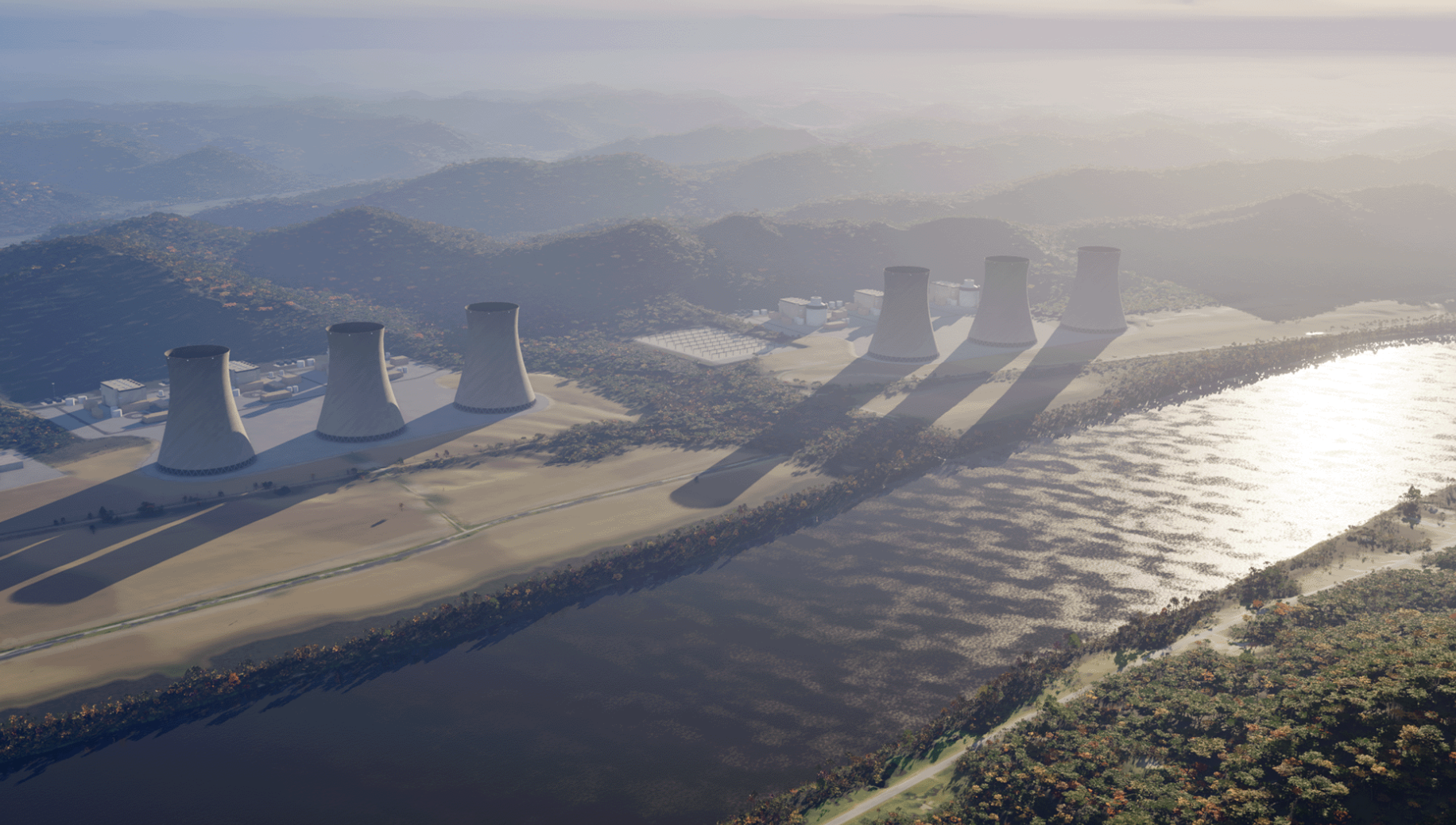
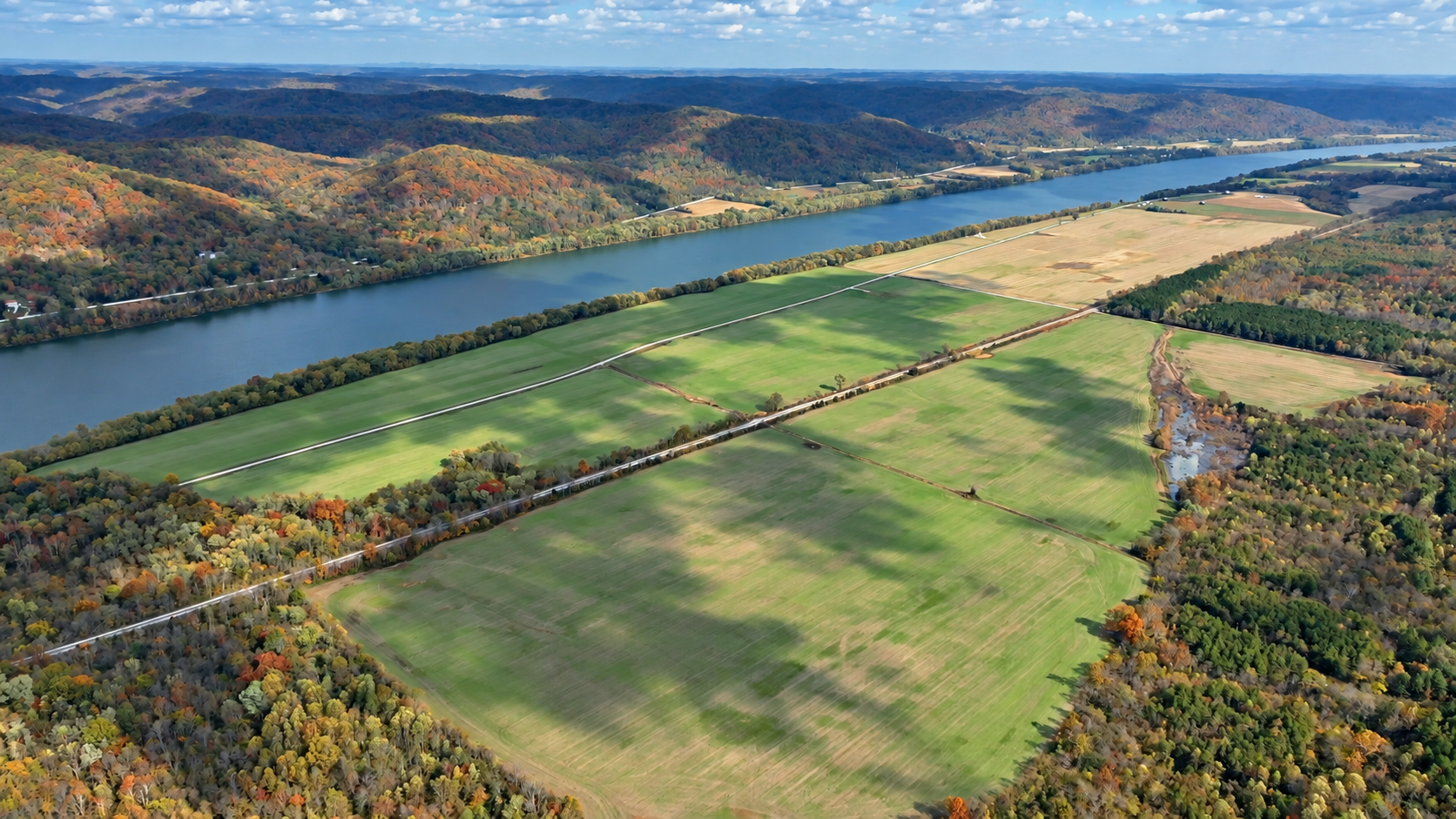
Sam Howard, a man who’s lived his whole life right here in Lewis County and built Trace Creek Construction from the ground up, has partnered with a company to look at putting a nuclear power campus on the Carrs Bottom property along the Ohio River, west of Vanceburg. They’re calling it Prosperity One. If it all comes together, it could end up being the biggest nuclear site in the country. That sounds like something out of a movie, but the pieces are real: the land is there, the river is there, the big power lines are already running nearby, and the technology they’re talking about is already running down in Georgia.
What matters most to folks around here is simpler than all that. For years, Lewis County has had one of the higher unemployment rates in the state. Young people finish up at Lewis County High and then head out because the good-paying jobs just aren’t here. Families want to stay close to kin, but they need something that pays a living and lasts longer than a season. Howard has said it plain: he has nine grandchildren living right here in the county, and he wants them to have a reason to stay. That’s not fancy talk. That’s what a lot of people around here feel when they look at their own kids and grandkids and wonder if they’ll still be here in ten or twenty years.
This kind of project brings two kinds of work. First, the construction. Building something this size takes thousands of people for years—electricians, welders, operators, truck drivers, concrete workers, the whole list. A lot of those jobs can go to people who already live around here if the training lines up. Then, once it’s running, you have permanent jobs that pay well and need skilled people who stick around. Nuclear plants don’t just hire a handful of specialists and call it done. They need operators who watch the plant every day, technicians who keep the equipment running, maintenance crews, security, and all the support that goes with them. Those are the kinds of steady jobs that let a family buy a house on the ridge, keep the kids in the local schools, and put down roots instead of packing up for somewhere else.
It also helps the tax base. Schools, roads, fire departments, and everything else that keeps a county running get stronger when big, steady operations are paying into the system. Lewis County has already started looking into becoming a “nuclear-ready” community through the state’s program. That doesn’t green-light anything on its own. It just means local people are learning about it, asking questions, and deciding whether they want to be ready if the opportunity shows up. That’s the right order of things.
The site itself makes sense for this kind of work. Carrs Bottom has river frontage for cooling water, a railroad nearby, and those high-voltage lines already in the ground. People around here have known for decades that this stretch of bottomland was set aside for big industry. It just never happened with the coal plant they once planned. This is a chance to finally use that ground for something that lasts.
For Kentucky as a whole, this would be the first commercial nuclear plant we’ve ever had. We’ve been burning coal and building other plants for generations, and we’ve helped power the country doing it. Adding nuclear means cleaner, steady power that runs day and night, whether the river’s high or the hills are covered in snow. The reactors they’re looking at are the same kind already operating in Georgia, so this isn’t some brand-new experiment. The grid needs more of that reliable power. Americans win when we build things here instead of depending on somebody else for the basics. And over time, if we get good at building these plants again, it helps the whole country and, eventually, places around the world that need reliable power without the same old problems.
Why Nuclear Makes Sense
Nuclear power has a few things going for it that are hard to match. It runs around the clock, in any weather, so the lights stay on when it's bitterly cold or the summer heat has everyone running their air conditioning. It puts out almost no carbon while it's running, so we get clean power without giving up reliability. And a single plant takes up very little ground compared to what it produces, which leaves more of our hills and farmland alone. Nuclear plants are also built to run for 60 years or more, so these aren't jobs and tax dollars that disappear in a few seasons.
What Prosperity One Means
For Lewis County, it means a real reason for young people to stay, steady paychecks, and a stronger tax base for schools and roads. For Kentucky, it means our first commercial nuclear plant and a place at the table in the next generation of American energy. For the country, it means more homegrown, dependable power built by American workers. If it comes together, it could be the biggest thing to happen to this part of the state in a lifetime.
None of this is automatic. There’s still a long list of studies, permits, and decisions that have to happen before anybody turns dirt in a serious way. That’s how it should be. The people behind this say they’re starting with two reactors and only adding more if everything checks out. They’re also saying they’ll be open about the process and answer questions. That’s worth holding them to.
If you live in Lewis County or anywhere up and down the river, the best thing you can do right now is pay attention and speak up in a way that moves things forward. Go to the meetings. Ask the practical questions about jobs, water, roads, and safety. Call the courthouse and let them know you want real opportunity for the next generation, not just more talk. Talk to your neighbors about it. Projects like this only happen when enough local people decide they’re worth pursuing.
Eastern Kentucky has powered a lot of America for a long time. This could be a chance to keep doing that, only with the kind of work that lets our own people stay home, raise their families, and build something that lasts. It starts with folks around here deciding they want it.